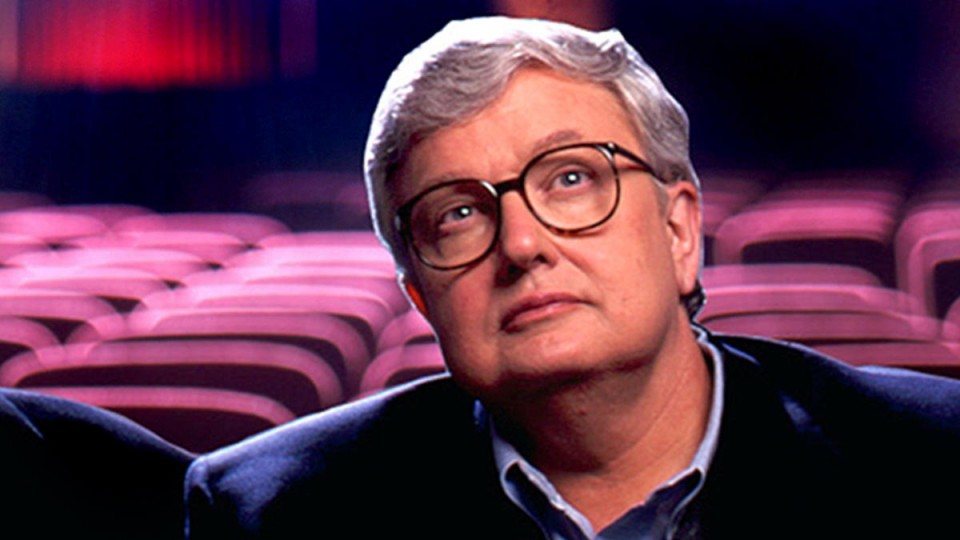
We were assigned to read “How to Read a Movie” by Roger Ebert, where Ebert invites us to “read” movies as we would poetry or literature. He shares helpful methods, and explains why they’re effective:
Method: Treat films like sports coaches treat game footage
- What: John West suggested using a stop-action projector to study film clips, just like football coaches analyze plays.
- Why: This method allows viewers to pause a scene unexpectedly, examine it, interpret it, and discuss its impact with fresh eyes.
Method: “Cinema Interruptus”
- What: Anyone can shout “stop!” and start a conversation about what’s happening on screen.
- Why: This promotes active engagement, turning passive watching into active analysis empowers viewers to understand films more deeply.
Method: A democratic, immersive learning experience
- What: Ebert led sessions that regularly filled auditoriums with hundreds of engaged attendees.
- Why: Collective interpretation allows rich discussion and diverse insights.
So, while keeping this information in mind, I watched two videos about filmmaking.
- One-Point Perspective – Kubrick
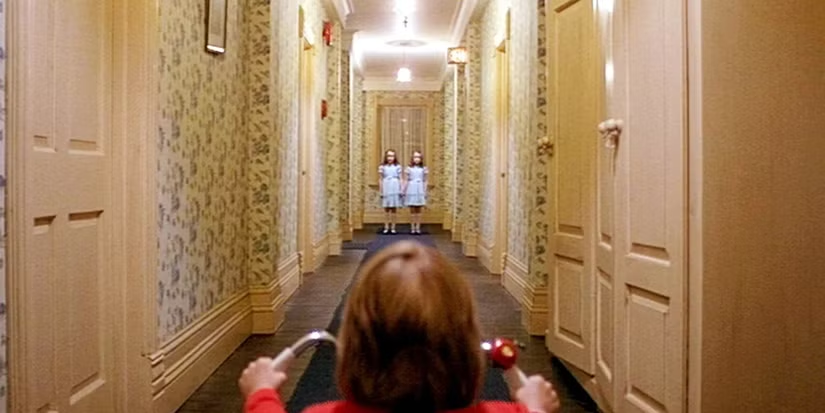
- What: A powerful visual technique where the entire composition of a shot is aligned to a single vanishing point – usually in the center of the frame (ex: a door down the hallway)
- Why: This creates a symmetrical and tunnel-like effect that draws the viewer’s eyes inward and creates a sense of focus, intensity, or unease.
- Famous example: The Shining: Danny riding his tricycle through endless symmetrical hallways, until the twins appear.
- Zooms – The Shining
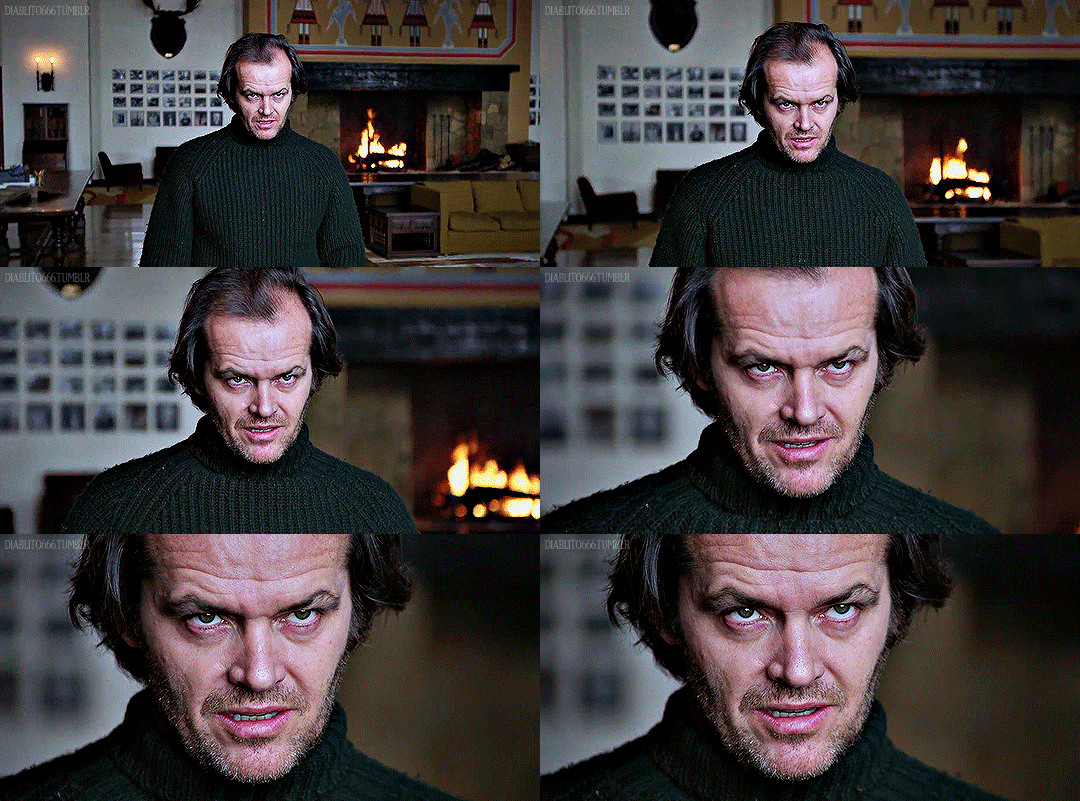
- What: Instead of moving the camera physically, Kubrick often uses slow zooms to observe from afar or creep in unnaturally.
- Why: Kubrick uses zooms in The Shining to make the viewer feel like an outsider, observing something unnatural. He also uses it to build slow, inescapable tension.
- Famous example: Jack stares off in the distance. The zoom makes it feel like you’re being pulled into his madness.
Whether it’s Jack staring into nothing or a hallway that stretches endlessly into the dark, these visual choices aren’t random—they’re psychological weapons. And once you start noticing them, it’s hard to unsee just how much power a simple camera movement can hold.
Leave a Reply