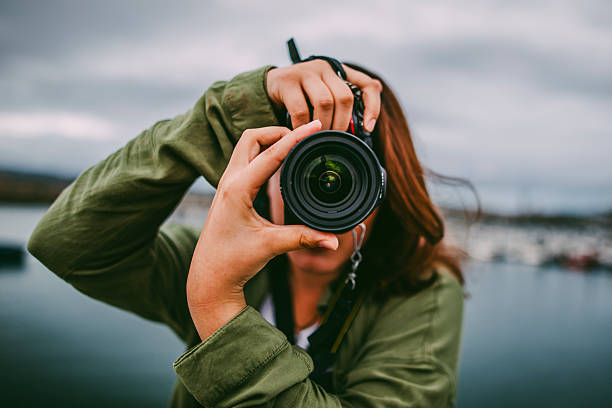
One of the most important takeaways from the photography techniques discussed is the value of slowing down and becoming more deliberate before taking a photo. The idea of “getting pickier” is really important, and it does not mean firing off dozens of shots and hoping one sticks – it means a photo can be so much powerful when time is taken to compose it thoughtfully. Pre-visualizing a shot, considering composition, light, and balance before even raising the camera, makes the final image not just better technically but also more expressive and intentional. This practice of thinking before shooting is an important step toward creating photographs that tell compelling stories, not just snapshots.
Visual contrast and depth are also essential elements for strong storytelling in images. Contrast doesn’t only mean shadows and highlights – it includes juxtaposing elements, like old and new, calm and chaotic, or distant and close. Creating depth by including strong foregrounds or using leading lines makes the viewer feel pulled into the image, experiencing more than just a flat scene. It’s about layering the visual elements in a way that draws the eye and evokes emotion. I found the suggestion to “look to the light” particularly valuable; light is the essence of photography, and becoming attuned to how it shapes a scene, whether through soft morning light or dramatic shadows, can transform an ordinary subject into something striking.
Lastly, what ties all of this together is the idea of intention. Photography is not just a technical act but an expressive one. Learning how to balance visual mass, expose for aesthetics, and use perspective creatively all contribute to the photographer’s voice. This reminds me of the story behind Dorothea Lange’s “Migrant Mother,” the power of that image came not just from the subject but from Lange’s choices: how she framed the mother, the use of light, and the emotion she captured. Great photography is about being present, observant, and thoughtful. Improvement doesn’t come just from better equipment, but from better seeing and thinking, before pressing the shutter.
Leave a Reply